




Spending a full day on the water feels relaxing, yet sun exposure, wind, and constant movement quickly reduce energy levels. Proper hydration supports focus, stamina, and overall comfort during boating. The right drink choices help maintain balance in the body and prevent fatigue before it starts.
Below is a practical, SEO-optimized guide focused on hydration drinks for boating, aligned with real user intent such as staying cool, avoiding dehydration, and choosing better alternatives to sugary beverages.
Key Highlights
- Proper hydration on a boat requires both fluids and electrolytes
- Light, refreshing drinks encourage consistent intake throughout the day
- Natural options often work better than heavily processed beverages
- Preparation before the trip improves hydration consistency
- Variety helps maintain regular drinking habits
Electrolyte Drinks That Go Beyond Water
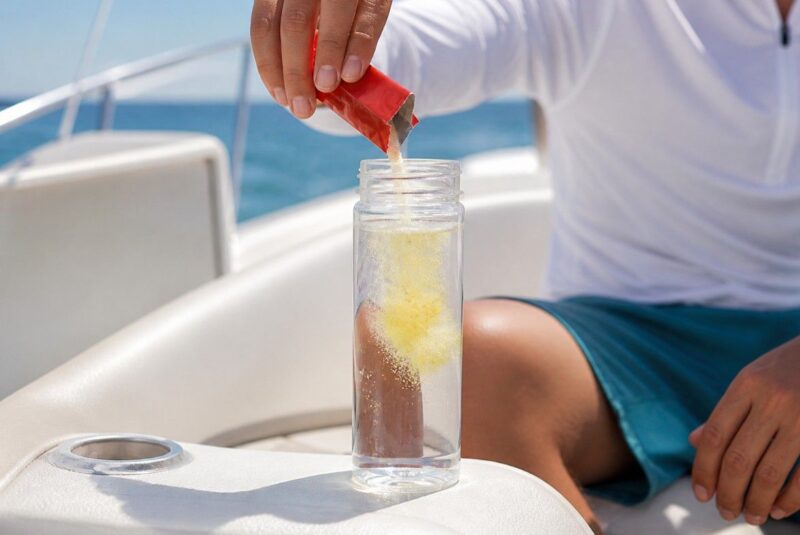
Electrolyte drinks play a key role when the body loses essential minerals through sweat. Sodium, potassium, and magnesium help regulate fluid balance and muscle function.
A short explanation helps clarify their value in real conditions:
- Electrolytes improve fluid absorption in the body
- They help maintain energy levels during heat exposure
- They reduce the risk of cramps and fatigue
Specialists from Your Boat Club highlight that long hours in sun and wind increase the need for balanced hydration, especially during swimming or active boating.
Keeping one bottle nearby is often enough to make a noticeable difference without overconsumption.
Fruit-Infused Water for Light Refreshment

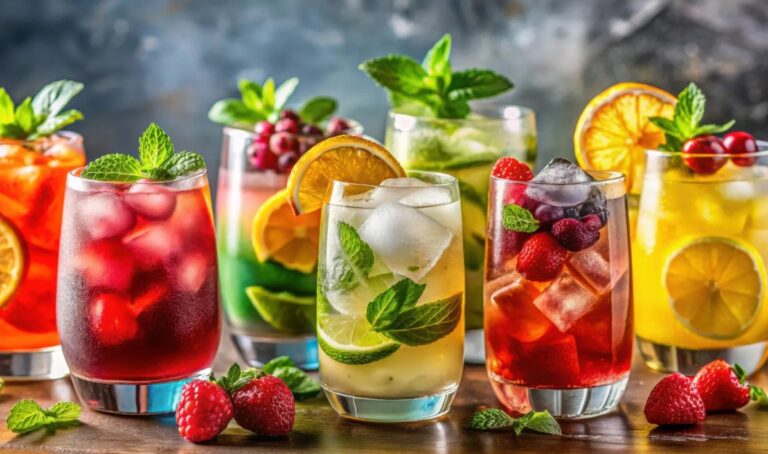
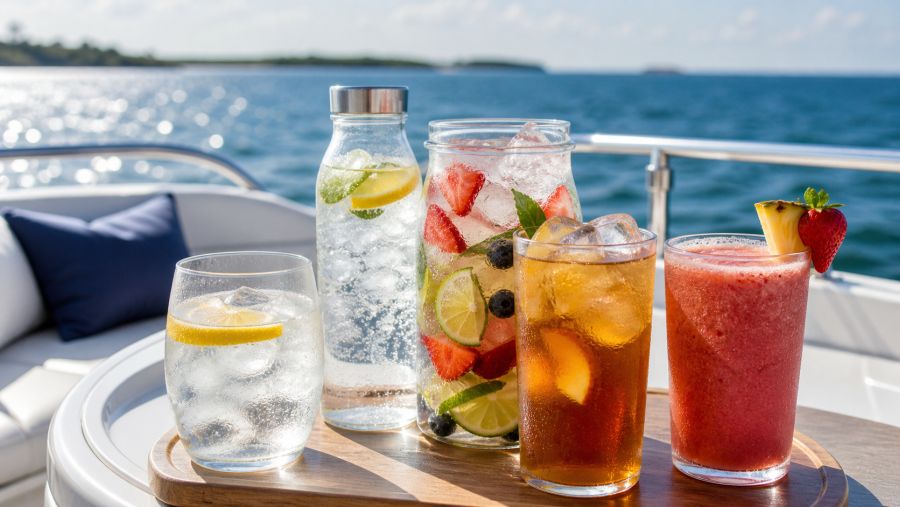
If plain water starts to feel boring, fruit-infused water gives you just enough flavor to keep things interesting without loading up on sugar. You can toss in slices of lemon, berries, or cucumber, and suddenly hydration feels a lot less like a chore and more like something you actually enjoy.
Preparing it ahead of time makes everything easier once you’re out on the boat. Just fill a large bottle or pitcher, let the flavors settle, and you’re set for hours. It’s simple, low-effort, and doesn’t require any special ingredients beyond what you already have at home.
The combinations are nearly endless, and that’s part of the appeal:
- Lemon and mint for a fresh, refreshing kick
- Berries for mild natural sweetness
- Cucumber keeps things light and cooling, which works perfectly when the heat starts to build throughout the day.
Because it tastes better than plain water, you’ll naturally drink more of it without thinking. That steady intake makes a real difference over time, especially when you’re exposed to sun and wind for hours. It’s a subtle upgrade, but one that keeps you consistently hydrated.
Coconut Water for Natural Hydration
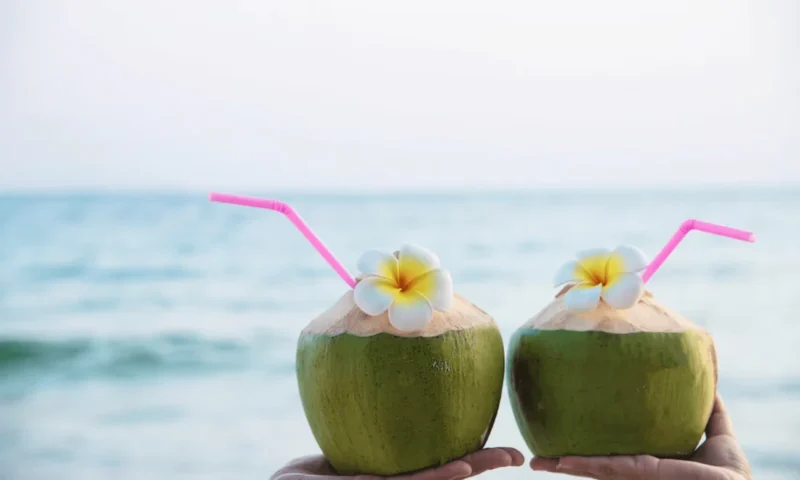
Coconut water stands out because it naturally contains electrolytes, which makes it a solid alternative to processed sports drinks. You’re getting hydration with fewer additives, and that simplicity tends to sit better, especially when you’re trying to stay refreshed in the heat.
It’s also relatively low in calories, so you don’t feel like you’re overdoing it with every sip. Compared to many commercial drinks, it feels lighter, which matters when you’re already dealing with high temperatures and don’t want anything too heavy.
The taste is mild and slightly sweet, which makes it easy to drink even when you’re not particularly thirsty. That matters more than people think, because staying hydrated often comes down to whether you actually feel like drinking something regularly.
Perfect for boating trips where convenience matters. No prep, no mixing, just open it and you’re good to go.
Iced Herbal Teas for Cooling Effects
Iced herbal teas give you a refreshing option that doesn’t rely on caffeine, which can be a big plus when you’re trying to stay balanced in the heat. You still get flavor and variety, but without anything that might leave you feeling jittery or dehydrated.
Different options provide subtle benefits:
- Mint creates a cooling sensation
- Hibiscus adds a slightly tart flavor
- Chamomile offers a more neutral and calming taste
You can sweeten these teas lightly if you want, but they don’t really need much. Keeping the sweetness minimal helps you avoid the heavy, sugary feeling some drinks leave behind, especially when the temperature climbs.
Cold herbal tea also has that subtle cooling effect that goes beyond temperature. The flavors themselves can make you feel more refreshed, which adds to the overall experience. It’s not just about hydration, it’s about feeling comfortable while you’re out there.
Smoothies for Hydration and Energy
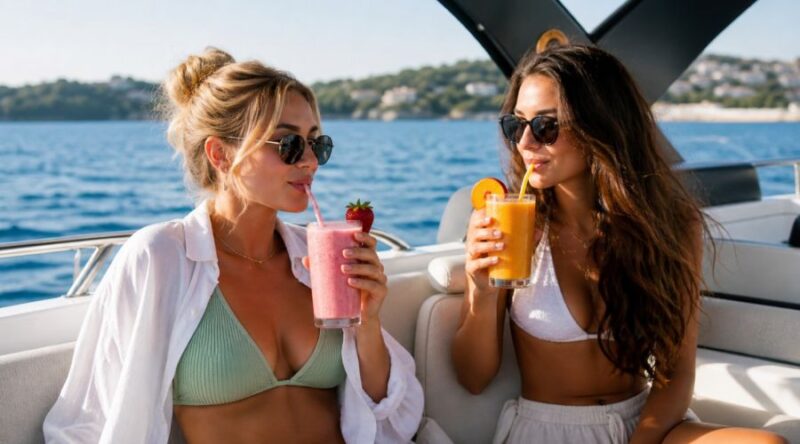
Smoothies bring something extra to the table by combining hydration with real nutrition. You’re not just drinking fluids, you’re getting vitamins, minerals, and sometimes protein, which can help you stay energized during longer boating sessions.
Using water-rich fruits like watermelon or strawberries helps keep the consistency light and refreshing. You avoid that overly thick texture while still getting plenty of hydration. It’s a good balance, especially when you don’t want something too heavy sitting in your stomach.
Adding yogurt or protein can turn a smoothie into a more filling option, which works well if you don’t feel like eating a full meal. It’s convenient, quick to consume, and doesn’t interrupt your time on the water.
As a mid-day option, smoothies make a lot of sense. They help you recharge without slowing you down, and they taste good enough that you’ll actually look forward to having one. That combination makes them surprisingly practical for boating trips.
Sparkling Water as a Refreshing Option
Sparkling water offers a simple variation that encourages more frequent drinking. The carbonation provides a crisp sensation that feels refreshing in warm weather.
Key benefits include:
- No added sugars
- A more interesting texture compared to still water
- Easy storage in coolers
It also works well as a substitute when you’re craving something more exciting than water but don’t want to deal with the downsides of sugary drinks. That balance makes it easier to stick to better hydration habits without feeling like you’re missing out on anything.
Keeping a few cans chilled in a cooler goes a long way on a boating trip. It’s convenient, easy to grab, and instantly refreshing. That simple upgrade can make your hydration routine feel less repetitive and a lot more enjoyable while you’re out on the water.
Practical Hydration Tips That Make a Real Difference
Hydration is not only about what you drink, but also how and when you drink it. A few simple habits can significantly improve consistency.
To make hydration easier during boating, consider the following:
- Keep drinks within easy reach at all times to avoid forgetting
- Alternate between different beverages to maintain interest
- Drink smaller amounts regularly instead of large amounts at once
- Prepare drinks in advance to reduce effort during the trip
- Store everything properly chilled to improve taste and intake
These small adjustments help turn hydration into a natural part of the experience rather than a task that requires effort.
Frequently Asked Questions
1. How much water should you bring per person on a boating trip?
A practical baseline is around 2 to 3 liters per person for a half day, and closer to 4 liters for a full day in hot weather. This amount should increase if swimming, alcohol consumption, or intense sun exposure is expected.
2. Can you drink alcohol without getting dehydrated on a boat?
Alcohol contributes to fluid loss and reduces hydration efficiency. If consumed, it should be balanced with water or electrolyte drinks between servings. Relying on alcohol alone for fluid intake leads to faster dehydration.
3. Are sports drinks always better than natural options?
Not necessarily. Many commercial sports drinks contain added sugars and artificial ingredients. Natural options like coconut water or lightly prepared electrolyte solutions often provide similar benefits with fewer unnecessary additives.
4. What is the best way to keep drinks cold during long trips?
Using a high quality cooler with ice packs or block ice helps maintain temperature for longer periods. Keeping the cooler closed as much as possible also prevents heat from entering and preserves drink quality.
5. Can dehydration affect boating safety?
Yes, even mild dehydration can reduce concentration, slow reaction time, and increase fatigue. These effects can impact navigation, coordination, and decision making, especially during longer trips.
Wrap Up

Keeping cool while boating comes down to making better hydration choices throughout the day. It’s not just about drinking more, but about picking options that actually support your body in the heat. Simple swaps and a bit of preparation go a long way.
When you get this right, you stay energized, comfortable, and focused on enjoying the experience instead of dealing with fatigue or dehydration.
