







Many people assume that feeling unwell after a drink automatically means a hangover. Yet surveys from public health institutes show that a noticeable number of adults report negative reactions after just one glass of wine or beer.
That detail alone raises an interesting question. If hangovers usually come after heavier drinking, why do some people feel off almost immediately?
The difference between alcohol sensitivity and hangovers is subtle, often misunderstood, and worth unpacking carefully.
Understanding it can change how you think about drinking, food pairings, and your own limits, without turning alcohol into a moral issue or a medical puzzle.
What people usually mean when they say they are sensitive to alcohol

When someone says they are sensitive to alcohol, they are often describing reactions that happen quickly and sometimes unpredictably. This can include flushing, headaches, nasal congestion, or a general feeling of discomfort while others seem fine with the same drink. These reactions are often tied to how the body responds to certain compounds in alcohol rather than the alcohol itself.
Common triggers that people associate with alcohol sensitivity include
- Red wine, especially younger or heavily processed varieties
- Beer styles that contain more fermentation byproducts
- Sweet cocktails with multiple ingredients
- Drinks consumed on an empty stomach
Alcohol sensitivity tends to show up during or shortly after drinking. It does not usually wait until the next morning. That timing alone is one of the clearest clues that sensitivity and hangovers are not the same process, even if the symptoms sometimes overlap.
How the body processes alcohol and where reactions can start
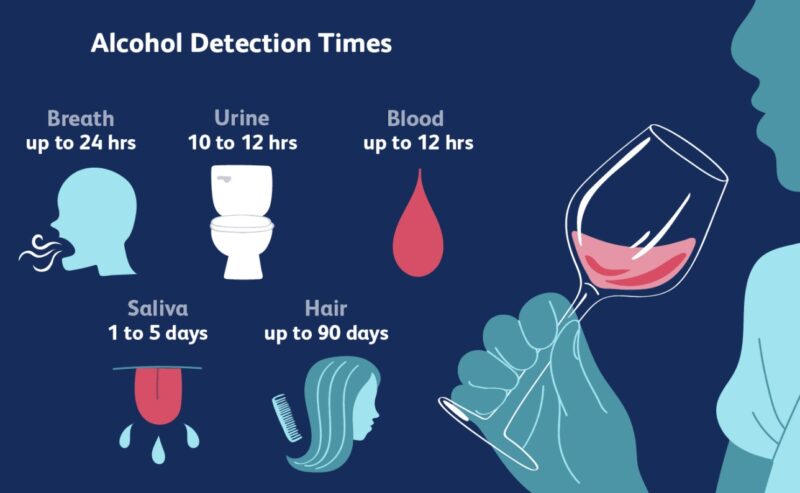
Alcohol metabolism begins almost as soon as you take a sip. The stomach and small intestine absorb ethanol, which then travels to the liver. Enzymes such as alcohol dehydrogenase break it down into acetaldehyde, a compound that is more irritating to the body than alcohol itself. Another enzyme then converts acetaldehyde into acetate, which the body can use or eliminate.
Problems can arise at several points along this path. Some people process acetaldehyde more slowly, which can lead to flushing or nausea. Others react to non alcohol components like histamines or sulfites that are present in certain drinks. These reactions are not about how much alcohol you drank, but about how your body handles specific substances.
This is where interest in low-histamine alcohol options sometimes comes in. For people who are sensitive to alcohol, filtering out common irritants before consumption can feel like a practical way to enjoy alcohol more comfortably, without changing taste or alcohol content.
What a hangover actually represents in physiological terms
A hangover is not simply a delayed reaction to alcohol sensitivity. It is a complex state that usually appears hours after drinking has stopped. Dehydration, inflammation, sleep disruption, and changes in blood sugar all contribute. Alcohol increases urine production, which can lead to fluid and electrolyte loss. It also interferes with normal sleep cycles, even if you fall asleep quickly.
By the next morning, the body is working to rebalance itself. Headaches, fatigue, nausea, and brain fog are common signs of that process. Unlike sensitivity reactions, hangovers are closely tied to the total amount of alcohol consumed and the pace of drinking.
A useful way to think about hangovers is as a whole body recovery phase rather than a specific reaction to one compound. That broader impact is why hangovers tend to feel heavier and more systemic than alcohol sensitivity.
Key distinction
Alcohol sensitivity often shows up during drinking. Hangovers usually appear after the body has processed a larger alcohol load and is dealing with the aftereffects.
Why symptoms can overlap and still mean different things
The confusion between alcohol sensitivity and hangovers often comes from shared symptoms. Headaches, nausea, and fatigue can appear in both cases. The difference lies in timing, intensity, and consistency. Sensitivity reactions often happen every time a specific drink is consumed. Hangovers vary depending on how much you drink, how fast, and what else is going on in your body.
For example, someone might get a headache halfway through a glass of red wine but feel fine the next morning. Another person might feel fine all night and wake up with a pounding headache and nausea. The first pattern points toward sensitivity. The second aligns more with a hangover.
Paying attention to when symptoms start can be more informative than focusing on the symptoms themselves. Timing offers context that helps separate cause from effect without overanalyzing every sensation.
The role of ingredients beyond alcohol itself
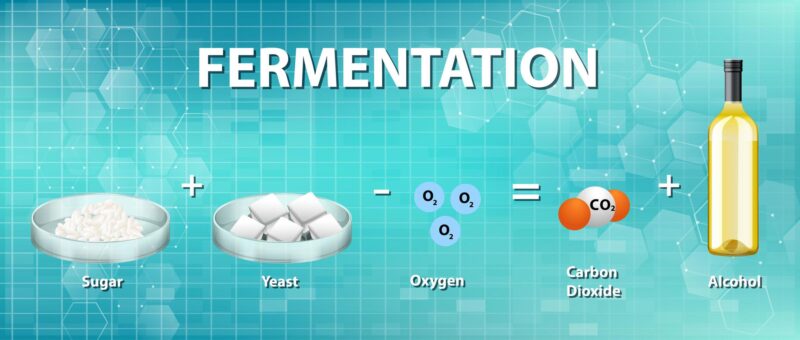
Not all alcoholic drinks are created equal. Wine, beer, and spirits contain a wide range of compounds formed during fermentation, aging, and processing. Histamines, tannins, congeners, and sulfites can all play a role in how a drink feels to different people.
Did you know that darker spirits and aged beverages often contain higher levels of congeners, which are byproducts of fermentation? These compounds are not harmful in small amounts, but they can contribute to stronger aftereffects for some drinkers.
This ingredient variability helps explain why someone might tolerate vodka but not red wine, or feel fine with one beer but not another. These reactions are not signs of weakness or intolerance in a clinical sense. They are part of normal biological diversity.
Drinking context and patterns matter more than many people think
How and when you drink can influence both sensitivity reactions and hangovers. Drinking on an empty stomach can speed alcohol absorption and amplify discomfort. Mixing drinks can introduce a wider range of compounds, increasing the chance of a reaction. Late night drinking can disrupt sleep even if intake is moderate.
Consider these situational factors:
- Drinking pace and hydration status
- Food intake before and during drinking
- Sleep timing and duration
- Stress and overall health
Sensitivity reactions often show up regardless of context if the trigger drink is present. Hangovers are more sensitive to these situational variables. Recognizing that difference can help you make adjustments that feel reasonable rather than restrictive.
Practical ways to understand your own reactions without overthinking
You do not need to track every sip or turn drinking into a science experiment. Simple observation can go a long way. Notice which drinks consistently cause issues and when symptoms appear. If reactions happen quickly and predictably, sensitivity is more likely. If discomfort shows up the next day after heavier drinking, a hangover is the more probable explanation.
Some people find it helpful to simplify their choices:
- Stick to drinks you know you tolerate
- Eat before drinking
- Drink water alongside alcohol
- Avoid stacking multiple drink types
None of these steps promise outcomes. They simply reduce variables. Understanding your own patterns allows you to enjoy food and drink with less guesswork and fewer surprises.
Why separating sensitivity from hangovers changes the conversation

When alcohol sensitivity and hangovers are lumped together, people often blame themselves unnecessarily. They may assume they drank too much when the issue was actually a specific ingredient. Others may dismiss sensitivity as weakness rather than recognizing it as a common physiological response.
Separating the two concepts leads to more informed choices. It encourages curiosity rather than judgment. It also supports a more balanced view of drinking culture, where enjoyment and self awareness can coexist.
A drinks and food conversation that includes physiology does not have to be clinical. It can simply acknowledge that bodies differ and that understanding those differences makes shared meals and social moments more comfortable.
A more realistic way to think about alcohol and the body
Alcohol sensitivity and hangovers are related only in the sense that they involve alcohol. Beyond that, they reflect different processes, timelines, and triggers. Sensitivity is often about immediate reactions to specific compounds. Hangovers are about recovery after heavier intake and disrupted balance.
Understanding this distinction does not require medical expertise. It requires attention, honesty, and a willingness to notice patterns. For many people, that awareness alone leads to better experiences with food and drink.
Alcohol does not have to be an all or nothing choice. For those who choose to drink, knowing the difference between sensitivity and hangovers offers a calmer, more informed framework. It replaces confusion with clarity and helps people enjoy the table, the glass, and the company around it with fewer unanswered questions.
