







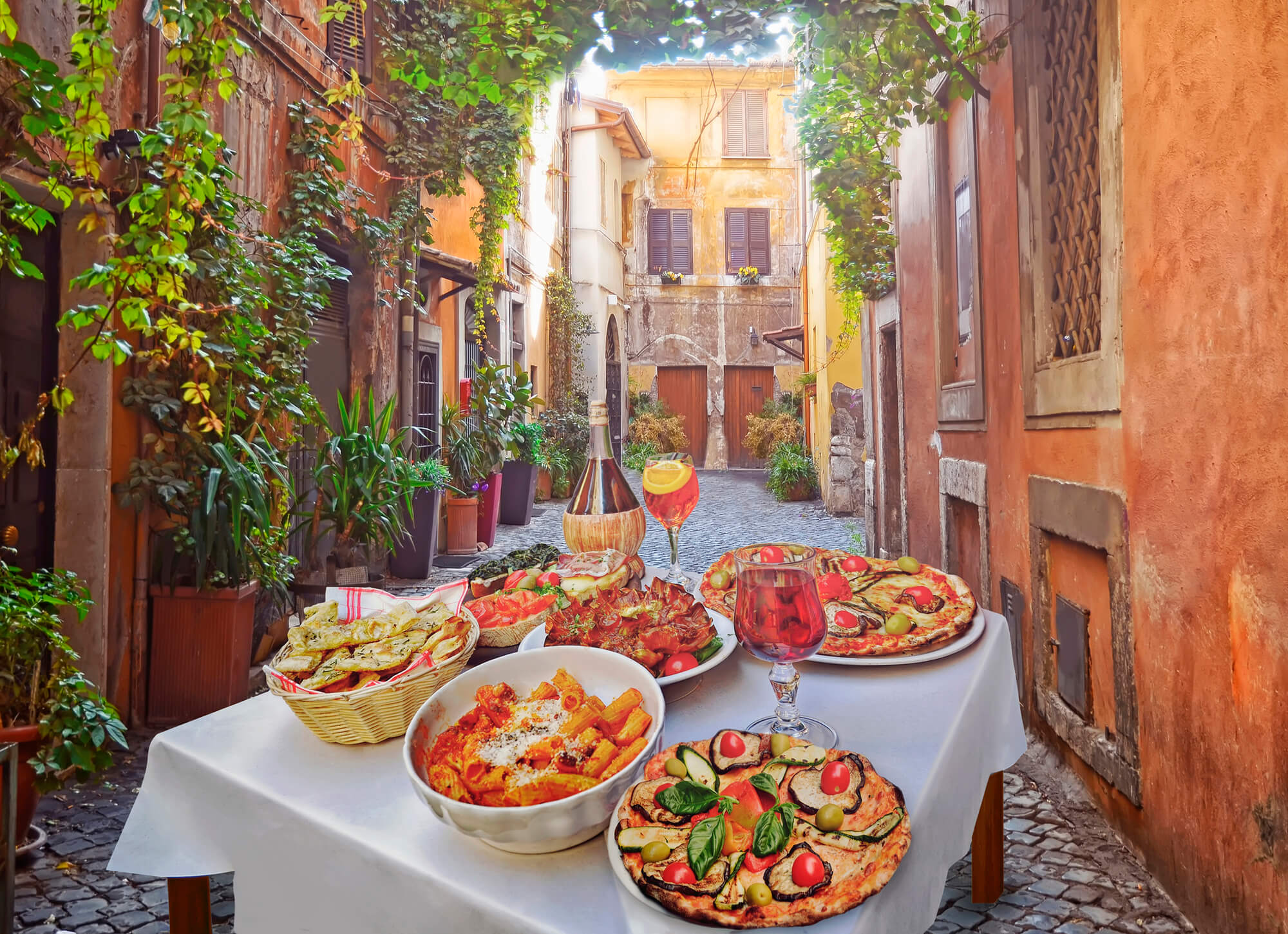
Did you know that a dish many people consider timelessly Italian, like spaghetti with meatballs, barely exists in Italy itself? It is one of the most famous examples of how Italian recipes evolve once they leave home.
Food historians often point out that Italian cuisine is less about rigid rules and more about adaptation.
When Italians migrated, they carried flavors, memories, and techniques, but they also embraced new ingredients and tastes.
This article explores how Italian recipes transform as they travel, why those changes happen, and what authenticity really means once pasta and pizza cross borders.
The Roots of Italian Cooking and Why Place Matters

Italian cuisine is deeply regional, shaped by geography, climate, and centuries of local tradition. In cities like Rome, recipes grew out of necessity, seasonality, and simplicity. Roman dishes often rely on a handful of ingredients used with precision, such as pecorino cheese, black pepper, eggs, or cured pork. When a recipe leaves its place of origin, it loses some of that context. Ingredients may not be available, cooking methods may change, and local expectations begin to influence the final dish.
This is not a flaw in Italian cooking. It is part of its strength. Italian food was never static. Even within Italy, the same recipe shifts from village to village. When those dishes travel abroad, the changes simply become more visible. Understanding this helps us appreciate both the original versions and their global interpretations without turning authenticity into a rigid gatekeeping exercise.
When Italian Food Meets the World
As Italian immigrants settled across Europe, the Americas, and Asia, they adapted their recipes to survive and succeed. Local markets did not always stock familiar cheeses, olive oils, or wheat varieties. Cooks substituted what they could find, often creating new versions that felt Italian in spirit, even if not in detail.
This process continues today. Diners searching for authentic Italian food in Singapore often discover restaurants that balance tradition with local preferences. Some kitchens stay close to classic techniques, while others adapt sauces, spice levels, or presentation to suit regional tastes. These evolutions are not mistakes. They are part of the same story that turned peasant dishes into global favorites.
Pasta Abroad: From Simple Plates to Comfort Food Icons
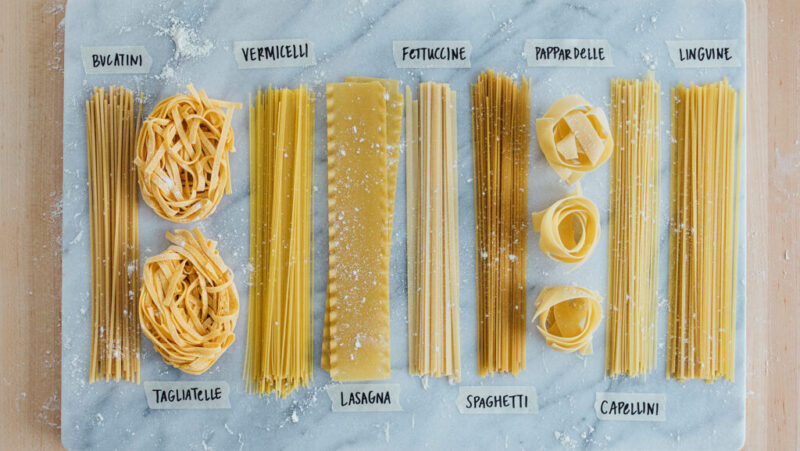
Pasta is perhaps the clearest example of how Italian recipes change as they travel. In Italy, pasta dishes are often light, focused, and restrained. Sauces coat the noodles rather than drowning them. Portions are modest, designed to be one course among several.
Abroad, pasta often becomes a main event. Sauces grow richer, creamier, and heavier. Proteins are added generously, sometimes in combinations rarely seen in Italy. Consider how pasta transforms across regions:
| Region | Common Adaptation | Cultural Reason |
| United States | Cream-based sauces, large portions | Preference for hearty meals |
| Northern Europe | Added butter and cheese | Familiar dairy-rich flavors |
| Asia | Spicier sauces or seafood twists | Local palate integration |
These changes reflect local comfort food expectations. Pasta becomes familiar, filling, and adaptable, proving its ability to cross cultures without losing its identity entirely.
Pizza’s Global Journey and Endless Reinvention
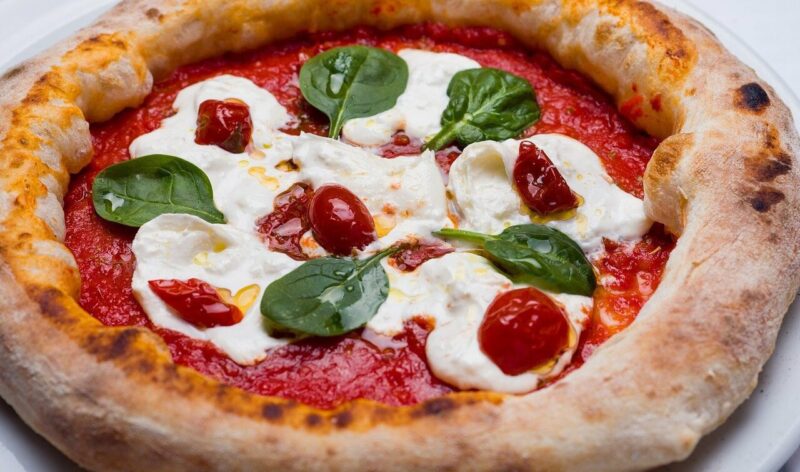
Pizza began as humble street food, especially in Naples, but it quickly became a global canvas. Outside Italy, pizza evolved faster than almost any other Italian dish. Toppings multiplied, crusts thickened or thinned, and cooking methods shifted from wood-fired ovens to electric and conveyor systems.
In many countries, pizza reflects local tastes more than Italian tradition. Sweet corn, barbecue chicken, seafood, or even fruit appear as toppings. While purists may cringe, this adaptability explains pizza’s universal appeal. People see pizza not as a fixed recipe but as a flexible format.
Did you know? Traditional Italian pizza often features just a few ingredients. The idea is balance, not abundance. The global version celebrates variety instead.
Despite the changes, core principles remain. Dough fermentation, heat, and balance still matter. Even the most unconventional pizza owes its existence to Italian culinary foundations.
Italian Sauces and the Myth of One True Recipe
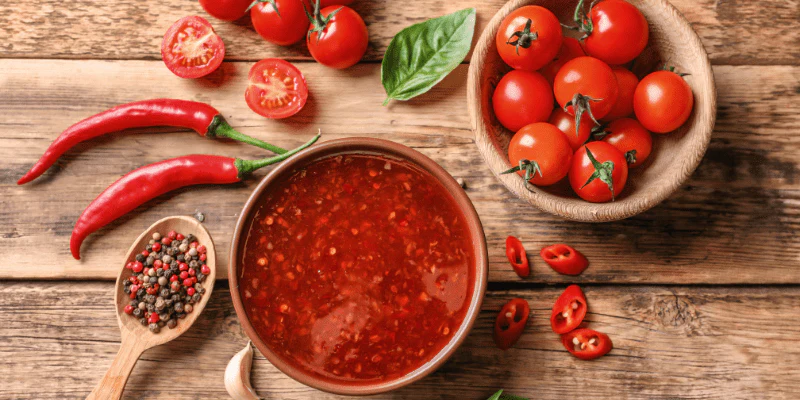
Italian sauces often suffer from the misconception that there is one correct version. In reality, sauces like ragù, pesto, or carbonara vary widely even within Italy. When these sauces travel, the variations multiply further.
Carbonara is a perfect example. In Rome, it relies on eggs, cheese, cured pork, and black pepper. Abroad, cream is frequently added for richness and stability. While this deviates from the Roman method, it meets expectations of creamier textures in many cultures.
Rather than viewing this as dilution, it helps to see it as translation. Recipes speak a culinary language. When they cross borders, they adjust their grammar so they can be understood. The key difference lies in intention. Some adaptations aim to honor tradition while others prioritize comfort or familiarity.
Ingredients That Change Everything
One of the biggest forces shaping Italian recipes abroad is ingredient availability. Even when names stay the same, products behave differently. Flour absorbs water differently. Tomatoes vary in sweetness and acidity. Cheese melts in unexpected ways.
Italian cooks abroad often face choices:
- Import expensive ingredients and raise prices
- Substitute locally available alternatives
- Redesign recipes around what works best
Each choice affects the final dish. This is why two plates with the same name can taste entirely different depending on where you eat them. Understanding this helps diners appreciate the skill involved in adaptation, rather than assuming shortcuts or compromises.
Tradition Versus Innovation in Modern Italian Kitchens
Today, many Italian-inspired restaurants consciously play with the tension between tradition and innovation. Chefs study classic recipes deeply before bending them. This approach respects origins while acknowledging that food culture is alive.
Modern diners are also more informed. Many now seek context, asking where a dish comes from and why it tastes the way it does. This curiosity creates space for both classic interpretations and creative twists to coexist.
A helpful way to think about authenticity is not as a checklist but as a spectrum. At one end sits historical accuracy. At the other, cultural exchange. Most Italian food outside Italy lives somewhere in between, shaped by memory, migration, and market demand.
What Authenticity Really Means When Recipes Travel
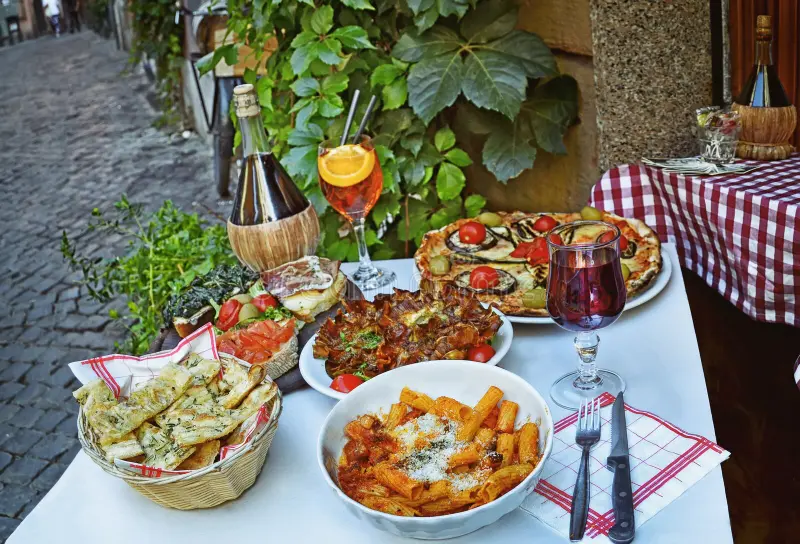
Authenticity in Italian cooking is often misunderstood as strict adherence to rules. In reality, authenticity is about respect. Respect for ingredients, techniques, and the story behind a dish. A recipe can change and still be authentic if it honors its roots and is prepared with care.
When Italian food travels, it tells new stories. It reflects the hands that cook it and the people who eat it. Rather than asking whether a dish is truly Italian, a better question might be whether it is thoughtfully made and culturally honest.
This mindset allows room for traditional Roman pasta, creative global pizzas, and everything in between. Italian cuisine thrives not because it resists change, but because it absorbs it gracefull.
From Rome to everywhere, Italian cooking continues to travel, transform, and connect cultures. Each adaptation adds another chapter to a story that began centuries ago and shows no sign of ending.
