







The difference between a tablespoon and a teaspoon is not subtle, and confusing them can completely change the outcome of a recipe or dosage.
A tablespoon is three times larger than a teaspoon, and treating them as interchangeable is one of the most common and consequential measuring mistakes in cooking, baking, and everyday use.
What a Teaspoon Is

A teaspoon is a small unit of volume commonly used for measuring small amounts of ingredients, especially spices, salt, baking powder, baking soda, flavorings, and liquid extracts.
In standardized measurements:
Teaspoons are designed for precision. In baking and seasoning, small changes in quantity can have large effects, which is why the teaspoon exists as a separate measurement rather than a scaled-down tablespoon.
In everyday use, a teaspoon is also associated with stirring drinks, but when used in recipes, the measurement refers to a level measuring teaspoon, not a heaping spoon.
What a Tablespoon Is

A tablespoon is a larger unit of volume used for moderate quantities of ingredients, especially liquids, oils, sauces, sugar, butter, and condiments.
In standardized measurements:
Because a tablespoon holds significantly more volume, it is often used when measuring ingredients that are needed in noticeable but not large quantities. It bridges the gap between teaspoons and cups.
Like teaspoons, recipe instructions assume a level tablespoon, unless explicitly stated otherwise.
The Core Difference in Simple Terms
The key difference is volume.
Tablespoon vs Teaspoon Volume
| Measurement | Milliliters | Relative Size |
| 1 teaspoon (tsp) | 5 ml | Small |
| 1 tablespoon (tbsp) | 15 ml | 3× a teaspoon |
This 3:1 ratio is universal in standard cooking measurements.
Why the Difference Matters in Cooking and Baking
In cooking, especially savory cooking, small measurement errors can sometimes be corrected by taste. In baking, they usually cannot.
For example:
- Adding 1 tablespoon of salt instead of 1 teaspoon makes a dish inedible
- Using 1 tablespoon of baking powder instead of 1 teaspoon can cause baked goods to collapse, taste bitter, or develop an unpleasant texture
- Too much vanilla or almond extract overwhelms the flavor instead of enhancing it
Because many critical ingredients are measured in teaspoons, mistaking a tablespoon can triple the intended amount.
Real Recipe Impact of Confusing the Two
| Ingredient | Correct Amount | If Tripled by Mistake |
| Salt | Balanced seasoning | Over-salted |
| Baking soda | Proper rise | Bitter, soapy taste |
| Chili powder | Mild heat | Overpowering |
| Yeast | Controlled fermentation | Texture failure |
How Recipes Abbreviate Tablespoons and Teaspoons

Another common source of confusion is abbreviations.
Common Abbreviations
| Measurement | Common Abbreviations |
| Teaspoon | tsp, t |
| Tablespoon | tbsp, Tbsp, T |
Caption: Capital “T” usually means tablespoon
Lowercase and uppercase letters matter. A capital “T” typically indicates tablespoon, while a lowercase “t” usually indicates teaspoon.
Metric vs US Measurements
View this post on Instagram
In most modern recipes, the teaspoon and tablespoon sizes are standardized. However, older recipes and international sources may vary slightly.
- US tablespoon: 15 ml
- Metric tablespoon (used in some countries): 20 ml
This difference matters when precision is critical, especially in baking or medical-style measurements.
Regional Differences
| System | Tablespoon Size |
| US standard | 15 ml |
| Metric (some regions) | 20 ml |
| Teaspoon (both) | 5 ml |
If a recipe uses metric measurements alongside milliliters, follow the milliliter value rather than spoon names.
Measuring Properly: Level vs Heaping
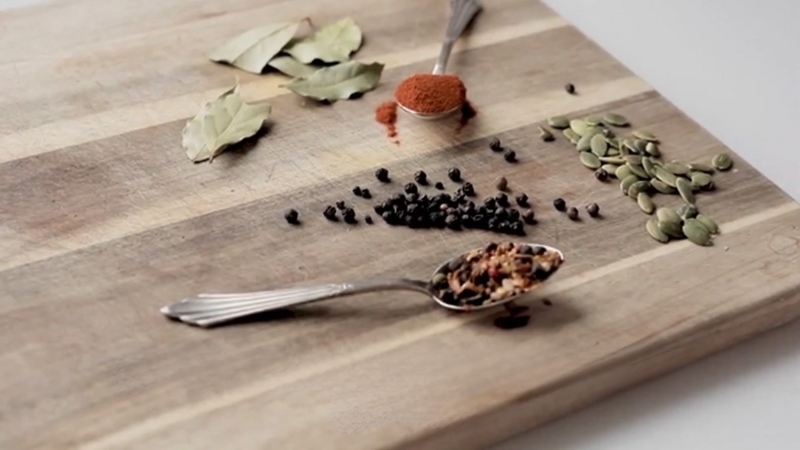
Recipes almost always assume level measurements, meaning the ingredient is filled to the rim and flattened.
- A level teaspoon is precise
- A heaping teaspoon can hold 25–50% more, depending on the ingredient
- A rounded tablespoon is not a standardized measurement
For accuracy, especially in baking, always level off dry ingredients with a flat edge.
When Precision Is Especially Important
There are situations where confusing tablespoons and teaspoons is more than a minor mistake.
These include:
- Baking with leavening agents
- Measuring salt for curing or brining
- Mixing infant or medical-style food formulas
- Adding supplements or concentrates
- Strong spices or extracts
In these cases, precision is not optional.
When Accuracy Is Critical
| Use Case | Why It Matters |
| Baking | Chemical balance |
| Brining | Salt concentration |
| Nutrition | Dosage control |
| Flavoring | Potency |
Visual Difference in Practice
@dawnnfarmer Replying to @Amber ♬ Fun, light, honobo, everyday, piano solo – Dream Side Records
In a standard measuring spoon set, the tablespoon is visibly wider and deeper than the teaspoon.
However, using regular cutlery spoons instead of measuring spoons is unreliable. Household spoons vary widely in size and shape and should not be used for accurate measurement.
Final Perspective
The difference between a tablespoon and a teaspoon is simple, fixed, and important. A tablespoon holds three times as much as a teaspoon, and confusing them is one of the fastest ways to ruin a recipe or overshoot a critical measurement.
The same precision matters with drink measurements, where a jigger, ounce, or teaspoon difference shifts balance just as quickly as a small rate move shifts market expectations.
When accuracy matters, use proper measuring spoons, read abbreviations carefully, and default to level measurements. Once this distinction becomes second nature, most common cooking and baking mistakes disappear entirely.