




Masago is the edible roe of the capelin fish, a small cold-water species found primarily in the North Atlantic and Arctic oceans.
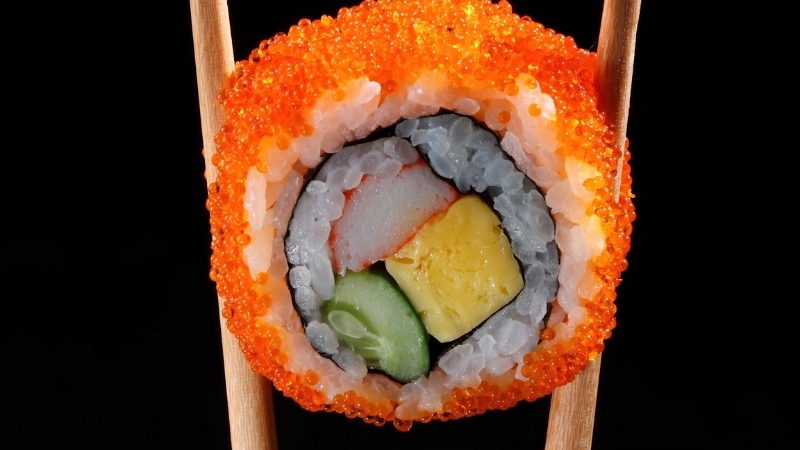
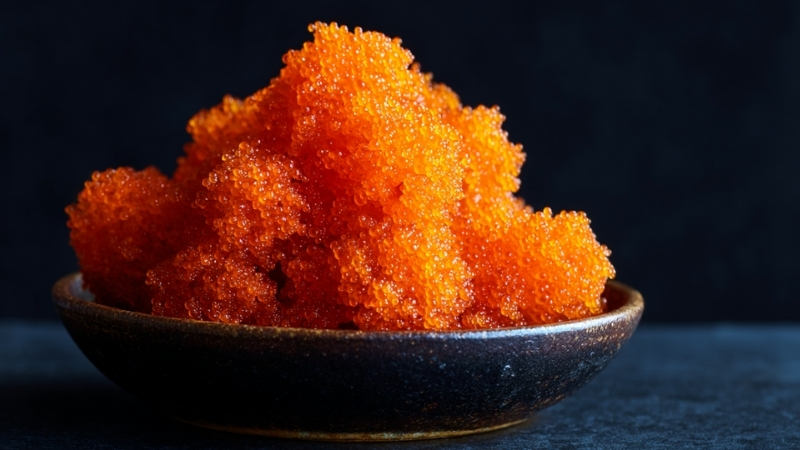
In sushi, masago appears as tiny, crisp eggs that are naturally pale yellow but most often colored orange, red, or green for visual contrast.
It is widely used as a garnish, filling, or coating in modern sushi, especially outside Japan, where its lower cost and longer shelf stability compared with premium roe made it a practical alternative.
In culinary terms, masago is valued less for richness and more for texture, salt balance, and visual impact.
Origin and Background: From Capelin Fisheries to Sushi Counters
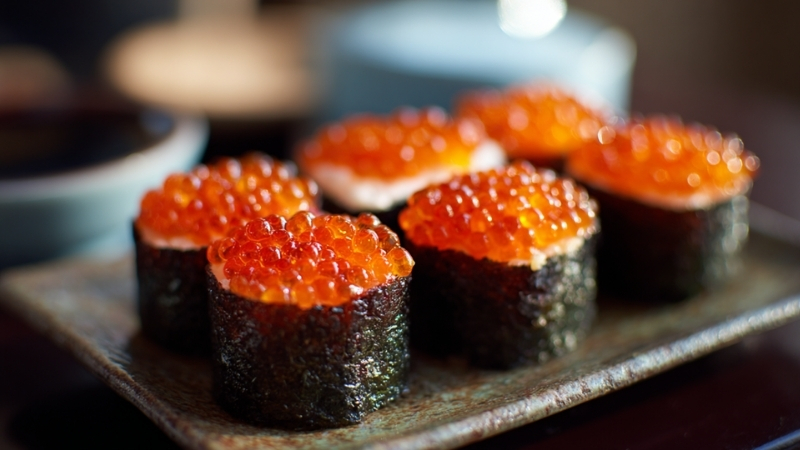
Capelin (Mallotus villosus) has been harvested for centuries in northern waters, particularly off Iceland, Norway, Canada, and Greenland.
Historically, most capelin roe was processed for export or animal feed rather than high-end cuisine.
Masago entered mainstream sushi culture largely in the late twentieth century, as global sushi consumption expanded and chefs sought affordable roe options to meet demand.
Unlike traditional Japanese tobiko use, which was more restrained, Western sushi adopted masago aggressively as a color and texture enhancer.
Today, most commercial masago is sourced from Icelandic and Norwegian fisheries and processed in Japan, China, or Southeast Asia before global distribution.
Masago vs Tobiko vs Ikura
| Feature | Masago | Tobiko | Ikura |
| Fish source | Capelin | Flying fish | Salmon |
| Egg size | Very small | Small | Large |
| Texture | Fine crunch | Firm pop | Soft burst |
| Flavor profile | Mild, salty | Slightly smoky, salty | Rich, briny |
| Typical color | Dyed orange/red/green | Dyed bright colors | Natural orange |
| Relative cost | Low | Medium | High |
Masago is often confused with tobiko because of their similar appearance, but tobiko eggs are larger and provide a more pronounced pop. Ikura, by contrast, is much larger and richer, with a higher fat content and stronger marine flavor.
Masago’s role is subtler and more functional, often used to add crunch without overpowering other ingredients.
Taste Profile and Mouthfeel
Masago has a clean, lightly briny taste with minimal fishiness when fresh and properly processed. Its defining trait is texture.
The eggs deliver a fine crunch rather than a dramatic burst, making them suitable for rolls where balance matters.
Because masago is usually cured in salt and sometimes seasoned with sugar or dashi, its flavor depends heavily on preparation. Dyed masago typically tastes the same regardless of color, as the coloring is aesthetic rather than flavor-driven.
Nutritional Composition
Approximate Nutrition per 28 g (1 oz) Serving
| Nutrient | Amount |
| Calories | ~40 |
| Protein | ~6 g |
| Total fat | ~2 g |
| Omega-3 fatty acids | ~300 mg |
| Cholesterol | ~45 mg |
| Sodium | ~240 mg |
| Vitamin B12 | ~3.5 µg |
| Selenium | ~15 µg |
Masago is protein-dense relative to its calorie count and provides omega-3 fatty acids, which are associated with cardiovascular and cognitive health.
It also supplies vitamin B12 and selenium, both essential for neurological function and antioxidant defense.
Sodium levels are significant due to curing, making portion size relevant for those managing salt intake.
Potential Health Benefits and Considerations
From a nutritional standpoint, masago contributes lean protein and marine-based micronutrients without the higher fat content found in larger roe.
Omega-3 intake from fish roe has been linked in multiple studies to reduced triglyceride levels and improved inflammatory markers.
However, masago is not a low-cholesterol food, and its sodium content can be substantial.
Individuals with seafood allergies should also note that roe can trigger reactions even when the whole fish does not.
How Masago Is Used in Sushi
View this post on Instagram
Masago appears in sushi primarily as a supporting ingredient rather than the main focus. It is frequently spread along the outside of uramaki rolls to add crunch and color, mixed into spicy mayonnaise fillings, or placed atop gunkan-maki.
In many American-style rolls, masago serves as a textural counterpoint to soft ingredients such as avocado or cream cheese. Its small size allows even distribution, preventing any single bite from becoming overly salty.
Culinary Use Beyond Sushi
Outside sushi bars, masago is used in seafood salads, pasta dishes, and fusion cuisine. In Japanese cooking, it may be mixed with mayonnaise for rice toppings or incorporated into tamago fillings.
Western chefs often use masago as a garnish for canapés or seafood sauces, where its crunch contrasts with creamy bases. Because masago does not melt or soften quickly, it maintains texture in both cold and lightly warmed dishes.
Coloring, Processing, and Safety
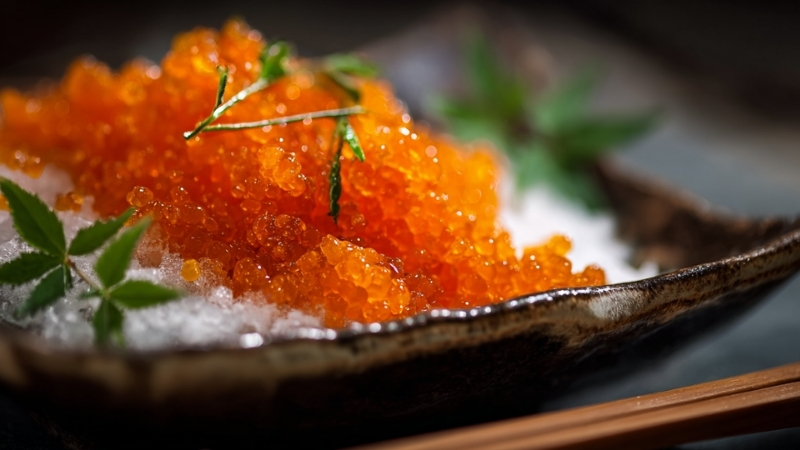
Natural masago is pale yellow. The vivid orange, red, green, or black versions seen in restaurants are colored using food-grade dyes, often derived from paprika, squid ink, or synthetic sources approved for food use.
Processing typically involves salting, freezing, and pasteurization, which extends shelf life and reduces parasite risk.
Reputable suppliers adhere to Hazard Analysis and Critical Control Point standards, particularly for raw seafood intended for sushi.
Sustainability and Environmental Context
Capelin fisheries are closely monitored in the North Atlantic due to the species’ importance in marine ecosystems as a forage fish for cod, seabirds, and marine mammals.
Iceland and Norway operate quota-based management systems, adjusting annual harvest levels according to stock assessments.
While masago is generally considered more sustainable than roe from overfished species, availability can fluctuate year to year depending on capelin population health.
Storage and Handling
| Storage method | Temperature | Typical shelf life |
| Frozen, unopened | −18 °C / 0 °F | Up to 12 months |
| Refrigerated, opened | 0–4 °C / 32–39 °F | 3–5 days |
| Room temperature | Not recommended | Unsafe |
Once thawed, masago should be kept cold and used quickly to preserve texture and prevent spoilage. Refreezing degrades quality and increases food safety risk.
Masago’s rise is tied to practicality. It offers visual appeal, consistent texture, and predictable flavor at a price point that suits high-volume sushi operations. For chefs, it is easy to portion and versatile across roll styles.
For diners, it provides crunch and salt balance without dominating the palate.
These factors explain why masago remains a staple ingredient in contemporary sushi worldwide.
Bottom Line
@yomamacancook Low carb sushi #lowcarb #food #sushi #protein #shrimp ♬ fishing for magikarp – demon gummies
Masago is capelin roe used primarily to add crunch, salt balance, and visual contrast in sushi and seafood dishes. It is nutritionally dense for its size, relatively affordable, and widely available due to established North Atlantic fisheries.
Its clean, saline profile also pairs naturally with Japanese classic cocktails that favor clarity and restraint over sweetness.
While not as rich or complex as larger roes like ikura, its restrained flavor and fine texture give it a distinct and enduring role in modern sushi cuisine.