



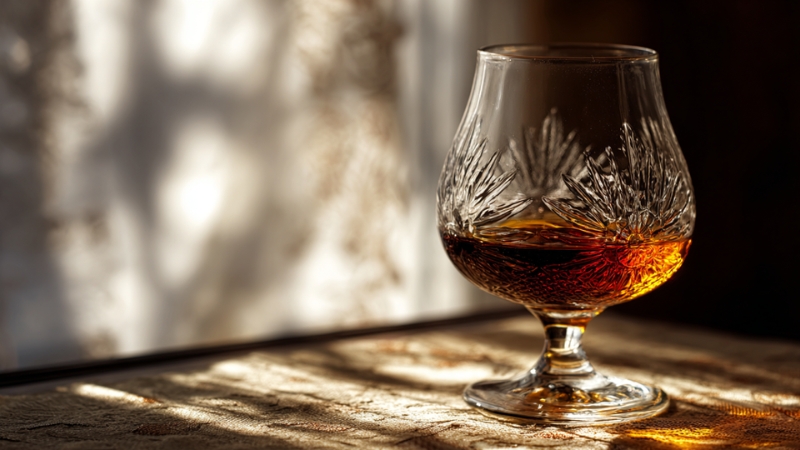
The simple, practical answer is this: Brandy is meant to be sipped slowly, at the right temperature, from the right glass, with attention to aroma and balance rather than speed or intoxication.
Drinking brandy “properly” is not about ceremony or pretending expertise. It is about avoiding the most common beginner mistakes that mute flavor, exaggerate alcohol burn, or waste a good bottle.
Brandy is a distilled wine or fermented fruit spirit, most commonly made from grapes. Because it starts as wine, brandy carries acids, esters, and aromatic compounds that behave differently from grain spirits like vodka or whiskey.
Those compounds are delicate. How you serve and drink brandy directly affects whether you taste dried fruit, vanilla, spice, and oak, or just alcohol heat.
Classic grape brandy includes styles such as Cognac and Armagnac from France, but brandy is also made worldwide from grapes, apples, pears, and other fruits. Regardless of origin, the drinking fundamentals are the same.
Choosing the Right Glass (It Matters More Than the Bottle)
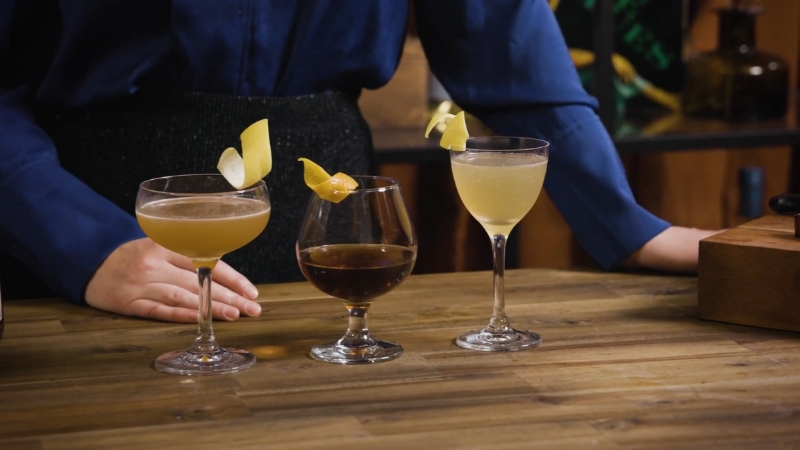
The glass is not a detail. It controls aroma concentration and how alcohol vapors reach your nose.
Traditionally, brandy is served in a snifter, which has a wide bowl and a narrow rim. The wide bowl allows aromas to collect, while the narrow opening concentrates them.
However, many experienced drinkers now prefer a tulip-shaped glass, similar to a Glencairn or tasting glass, because it focuses aroma without trapping excessive alcohol fumes.
Common Brandy Glass Types
| Glass Type | Why It’s Used | Drawback |
| Snifter | Enhances aroma volume | Can trap alcohol heat |
| Tulip glass | Balanced aroma control | Smaller pours |
| Wine glass | Acceptable substitute | Less focus |
| Shot glass | Not recommended | No aroma |
If you only have one glass at home, choose a tulip-style glass over a large snifter.
Serving Temperature: Warmth Is Often Overdone
One of the biggest myths is that brandy should be served warm. In reality, overheating brandy exaggerates alcohol burn and flattens flavor.
Brandy is best served slightly below room temperature, usually between 16–20°C (60–68°F). This keeps aromas expressive without pushing ethanol to the foreground.
Holding a snifter aggressively in your palm to “warm” the brandy is unnecessary for modern bottlings and often harmful to the tasting experience.
Temperature Effects on Brandy
| Temperature | Effect on Flavor |
| Too cold | Muted aromas |
| Ideal | Balanced fruit and oak |
| Too warm | Alcohol dominates |
Pour Size: Less Is Better
Brandy is not meant to be poured generously. A proper pour is usually 20–30 ml (about ¾ to 1 oz). This gives enough liquid to coat the glass and release aromas without overwhelming the senses.
Overpouring increases evaporation and makes it harder to smell anything but alcohol.
How to Smell Brandy Correctly
View this post on Instagram
Smelling brandy incorrectly is the fastest way to think you dislike it.
Do not put your nose deep into the glass and inhale. High-proof alcohol vapors will numb your sense of smell.
Instead, hold the glass slightly below your nose and take short, gentle sniffs. Rotate the glass slightly to release aromas. You may notice fruit, dried fruit, vanilla, caramel, spice, or floral notes depending on the brandy.
Smell first. Taste second. Skipping this step removes half the experience.
How to Taste Brandy Without the Burn
The first sip should be very small, almost a coating sip. Let it roll across your tongue rather than swallowing immediately. This acclimates your palate to the alcohol strength.
On subsequent sips, pay attention to:
- Sweetness versus dryness
- Fruit character
- Oak influence
- Texture or mouthfeel
- Finish length
Good brandy does not burn sharply. It should feel warming, rounded, and lingering.
What to Notice When Tasting
| Aspect | What to Look For |
| Entry | Smooth or sharp |
| Mid-palate | Fruit, spice, oak |
| Texture | Thin or silky |
| Finish | Short or lingering |
Should You Add Water or Ice?
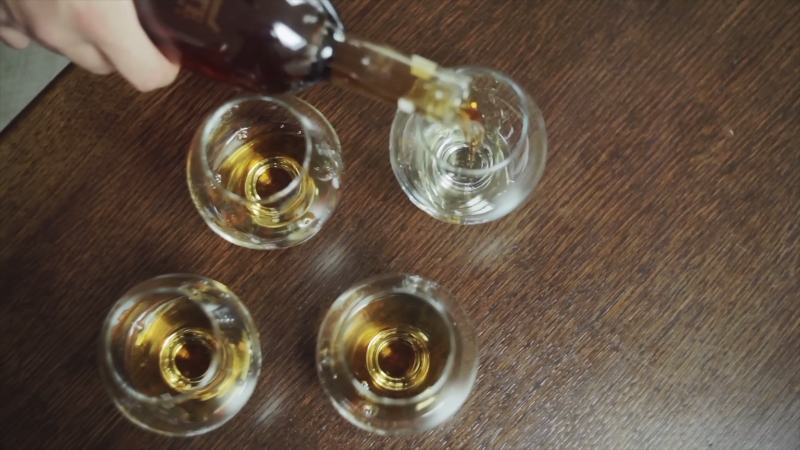
For beginners, a few drops of water can help soften alcohol heat and open aromas, especially with higher-proof brandies. This is common practice among experienced tasters.
Ice, however, is controversial. Ice dulls aroma and can over-dilute delicate brandies. If you enjoy ice, use one large cube rather than several small ones, and accept that the experience will be more refreshing than expressive.
Dilution Options
| Method | Effect |
| Neat | Full aroma and flavor |
| A few drops of water | Softer, more open |
| Ice cube | Cooler, muted |
| Mixed drink | Flavor secondary |
When and Why to Drink Brandy
@.lincolnsmith Replying to @rhys_d100 brandy cognac #drinkresponsibly #cheers #drinks ♬ original sound – Lincoln Smith
Brandy is traditionally enjoyed after meals because its acidity and warmth complement digestion. It is also well-suited to slow, quiet drinking rather than social speed-drinking.
There is no rule that brandy must be reserved for special occasions. However, it rewards attention more than multitasking. If you are distracted, much of its value is lost.
Common Beginner Mistakes
Most beginners who say they “do not like brandy” are reacting to avoidable errors rather than the spirit itself.
Common Mistakes and Their Impact
| Mistake | Result |
| Drinking too fast | Harsh alcohol |
| Overwarming | Loss of balance |
| Using the wrong glass | Flat aroma |
| Large pours | Sensory fatigue |
| Skipping smell | Reduced enjoyment |
A Note on Cognac and Other Styles
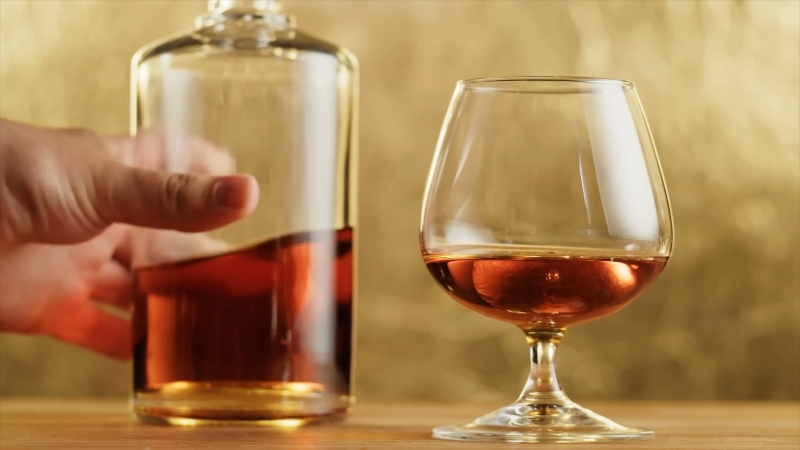
Cognac is a protected style of grape brandy from the Cognac region of France, governed by strict production rules. Armagnac is another French brandy with a more rustic profile.
Spanish brandies, American brandies, and fruit brandies each bring different flavors, but the way you drink them remains fundamentally the same.
Understanding how to drink brandy properly allows you to appreciate the differences between styles rather than being overwhelmed by alcohol strength.
Final Perspective
Drinking brandy properly is not about sophistication or tradition. It is about respecting how the spirit behaves.
Small pours, the right glass, moderate temperature, careful smelling, and slow sipping transform brandy from a harsh drink into a layered one.